
What to Expect and How to Make the Most of the Experience
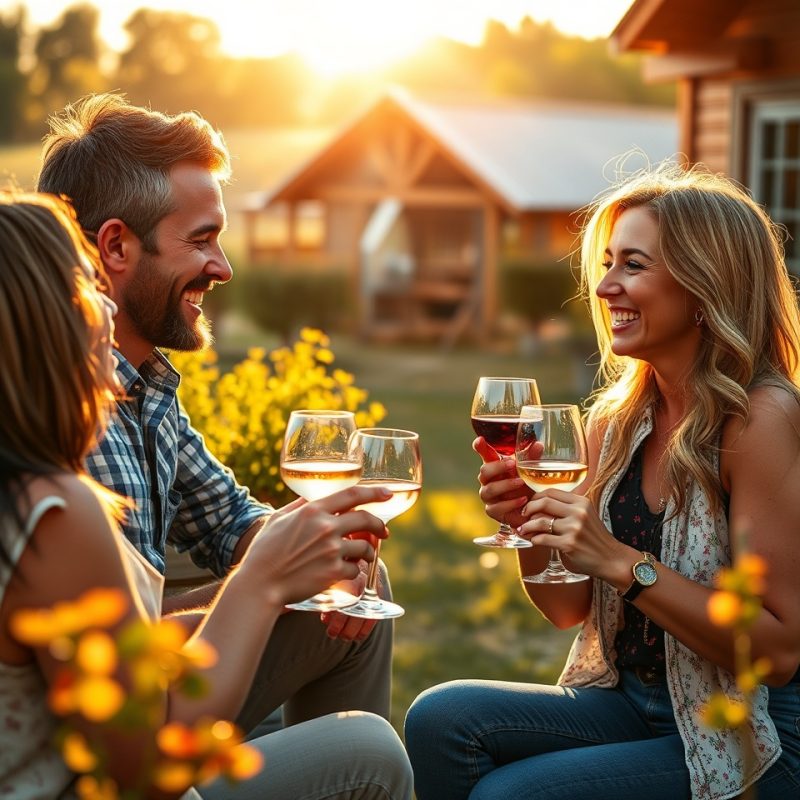
So you’ve decided to explore the wonderful world of wine — welcome! Whether you’re heading to your first wine tasting at a local winery or joining friends on a wine tasting tour, you’re in for a treat.
Wine tasting is one of those rare experiences that manages to be both relaxing and fascinating at the same time.
But if you’ve never done it before, it’s completely normal to feel a little unsure about what to expect at a wine tasting. Do you swirl? Do you sip slowly? What are you actually supposed to be looking for? Don’t worry — this beginner’s guide has you covered. By the time you finish reading, you’ll walk into any tasting room feeling confident, curious, and ready to enjoy every single sip.
What Should You Expect at a Wine Tasting?
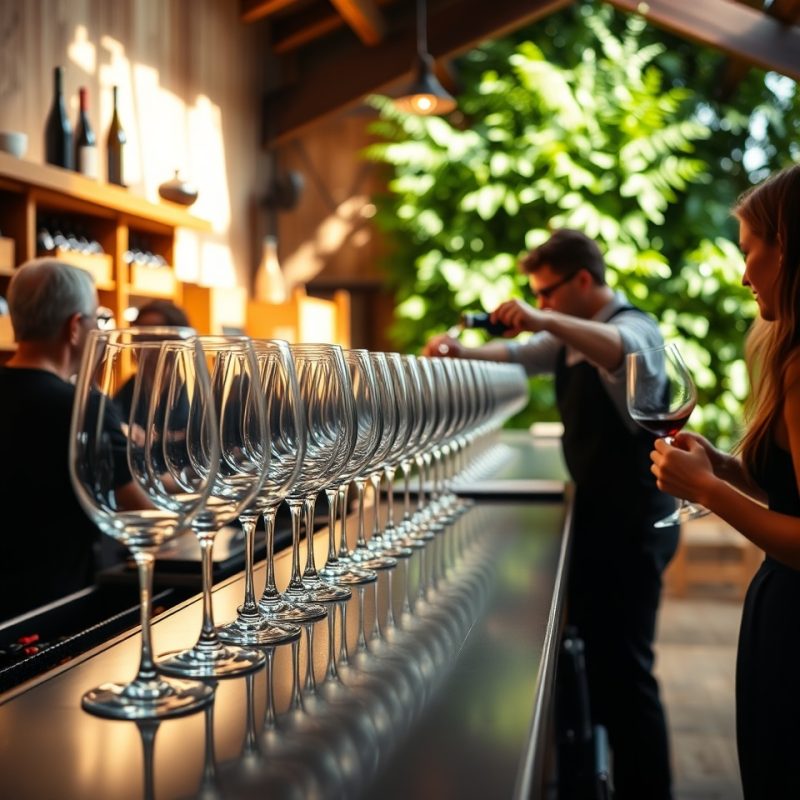
Let’s start at the beginning. A wine tasting is simply a guided opportunity to sample and appreciate different wines in a relaxed setting. Most wine tastings are far more casual than people expect — there’s no pressure to be an expert, and nobody is judging your opinions.
A typical tasting session usually involves sampling anywhere from four to eight wines, served in small pours so you can explore without overdoing it. A host, often a wine specialist or knowledgeable staff member, will walk you through each wine and explain what makes it special. They might talk about the winemaking process, the region the grapes came from, or the best food-and-wine pairing suggestions for each bottle.
The most important thing to remember when you first arrive? Relax and enjoy it. There is truly no wrong way to enjoy wine — the whole point is exploration and fun.
How Does a Typical Wine Tasting Experience Work?
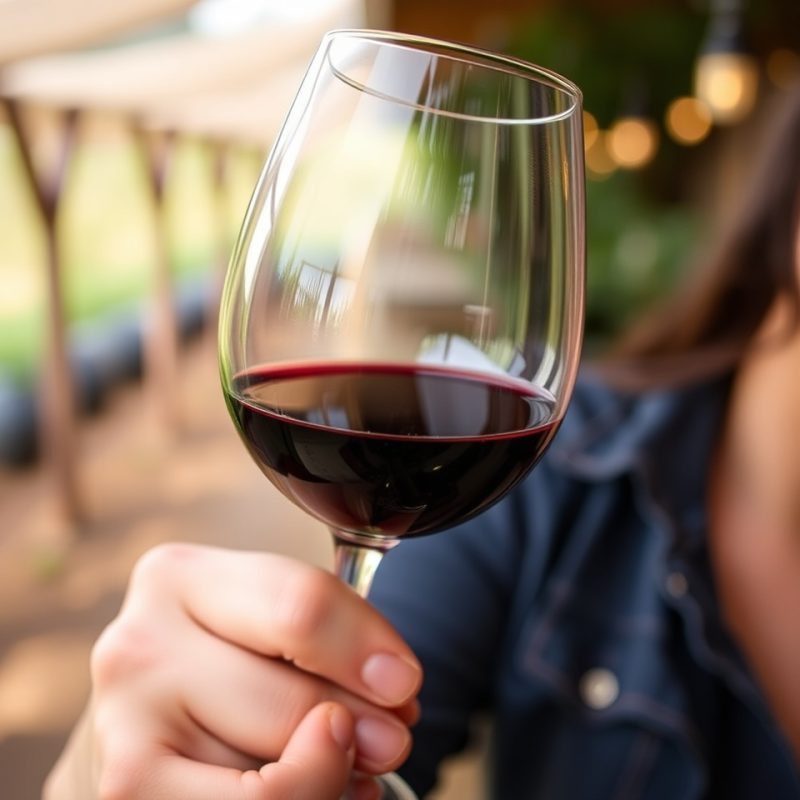
Here’s the good news — a wine tasting experience follows a pretty simple and enjoyable rhythm once you know the basics. When you arrive at the tasting room, you’ll typically receive a clean wine glass, and the host will begin pouring the first wine of the session.
Wine tasting involves a few easy steps — you look at the wine, smell the aroma, take a sip, and pay attention to how it feels on your palate. Most tasting sessions move through a lineup of wines, often starting with lighter styles and working toward bolder ones. You might taste a crisp white wine early on, then move on to fuller-bodied red wines later.
Wine tastings can involve themes, too — sometimes you’ll explore wines from a specific region, a particular grape variety, or different vintages of the same wine. Whatever the format, the wine-tasting experience is designed to be both enjoyable and educational.
Why Is Swirling Wine So Important?
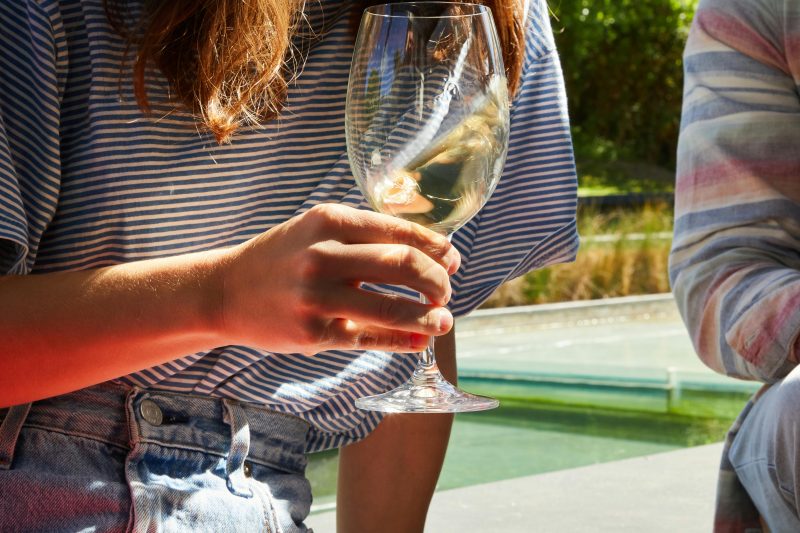
You’ve seen people do it — that confident, circular motion with the wine glass. But swirling wine isn’t just for show. It plays a key role in enriching your tasting experience by unlocking more aromas and flavors.
When you swirl the wine gently, the motion oxygenates it, exposing it to air. This awakens the wine’s aromas, helping you feel more connected to the sensory experience before your first sip.
As a bonus, swirling wine lets you observe it in the glass more closely. Watch how it moves along the sides — this can hint at the wine’s body, age, or even the type of wine you’re tasting. It’s one of those small tasting techniques that makes a surprisingly big difference to your overall taste experience.
How Do You Observe the Wine in the Glass?
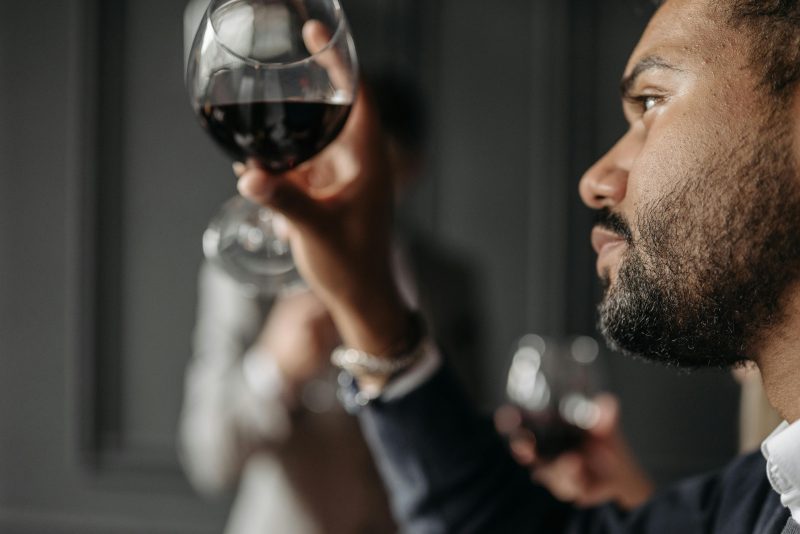
Before you even bring the glass to your nose, take a moment to simply look at the wine in the glass. This step surprises a lot of beginners — but what you see can actually tell you quite a bit about what you’re about to taste.
Hold your wine glass up to the light or against a white background and check the color and clarity. A wine with good clarity will appear bright and clean rather than cloudy or dull. The depth of color can hint at the grape variety, the age of the wine, and even the winemaking style used to produce it.
Red wines, for example, can range from deep ruby to lighter garnet tones. A white wine might be pale and straw-colored or rich and golden. These visual clues are part of what makes wine tasting truly fascinating — every bottle of wine has its own story to tell before you even take a sip.
How Do You Properly Smell the Aroma of Wine?
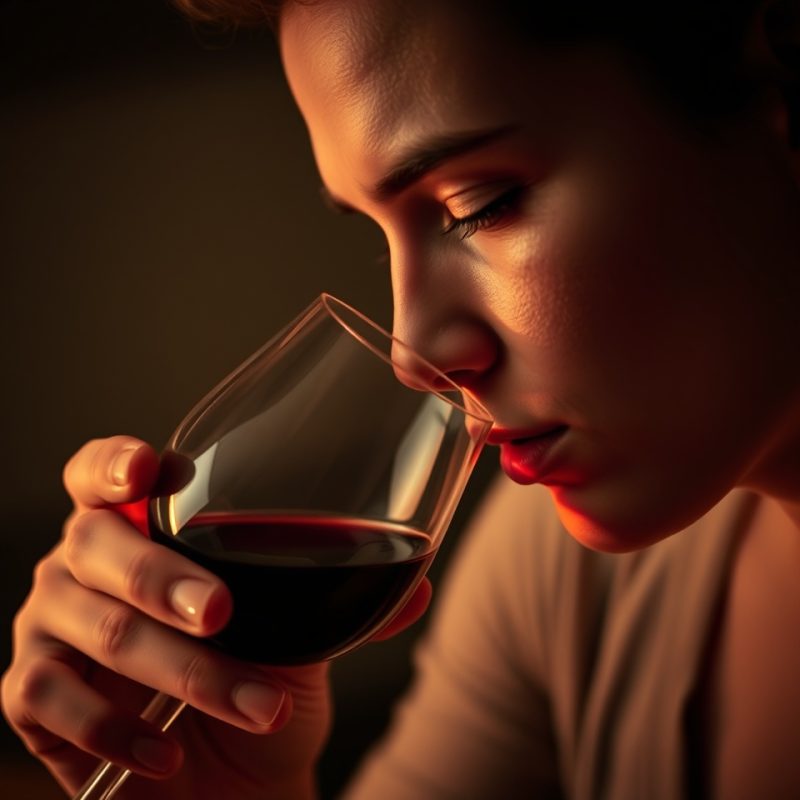
After swirling wine in your glass, it’s time for one of the most enjoyable parts of the whole experience — the smell. The aroma of a wine is incredibly complex, and learning to identify aromas in wine is one of the most rewarding tasting skills you can develop.
Bring the glass close to your nose and inhale gently. What do you notice? You might pick up on fruity scents like berries or citrus, floral notes, hints of spice, or even earthy, woodsy aromas, depending on the types of wine being poured. Fine wines often reveal multiple layers of aroma as they open up in the glass.
Don’t be discouraged if you can’t identify every scent right away — even experienced wine experts are still discovering new things. Just take your time, savor the moment, and trust your instincts. Your palate will develop naturally the more wine tastings you attend.
What Is the Best Way to Sip and Taste the Wine?
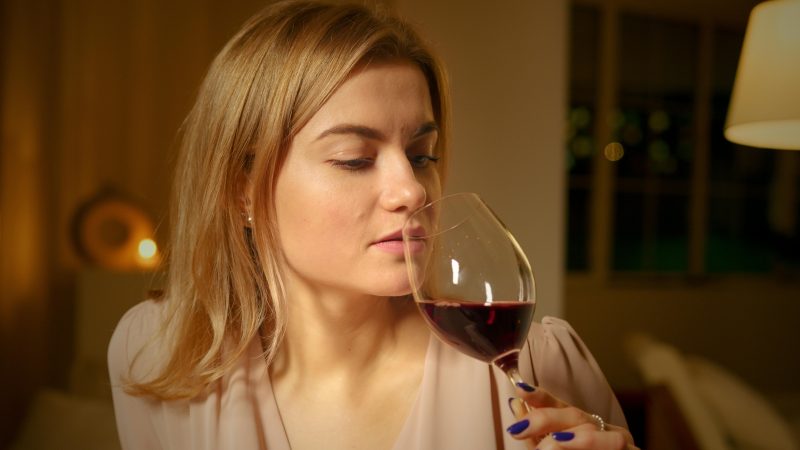
Now for the moment everyone’s been waiting for — it’s time to actually taste the wine! Take a small, comfortable sip and let the wine in your mouth rest on your palate for just a moment before you swallow the wine.
Some people like to gently swish the wine around so it reaches every part of the tongue. This helps you pick up on the full range of the wine’s taste — sweetness, acidity, bitterness, and body all reveal themselves in different areas of the mouth. As you swallow the wine, pay attention to the finish — how long do the flavors linger? A long, pleasant finish is often the sign of a quality, complex wine.
This is how you properly taste wine and start to understand what separates a good wine from a great one. The more you practice these wine tasting techniques, the more naturally it comes.
How Does Your Palate Influence What You Taste?
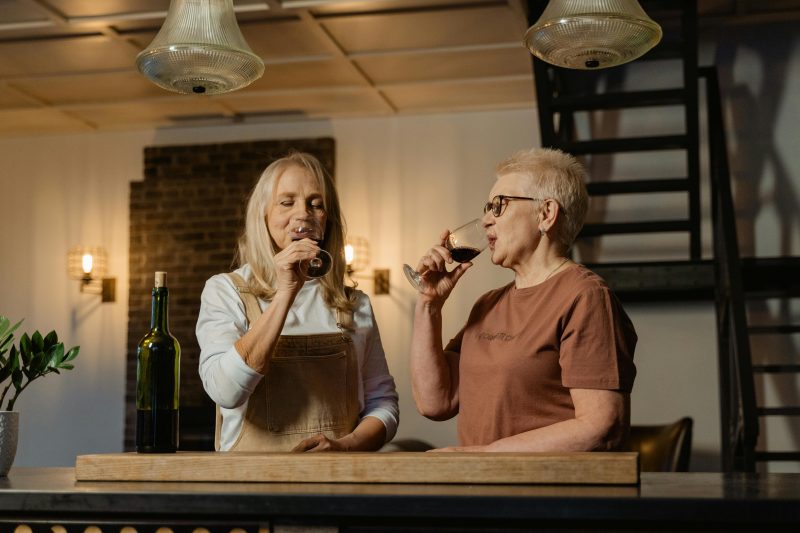
Here’s something really interesting — no two people experience wine exactly the same way. Your palate is completely unique, shaped by your individual taste preferences, food background, and even genetics. This is what makes wine tasting so personal and so much fun.
During a tasting session, you might find that you love the bright, crisp character of a white wine while your friend prefers bold, full-bodied red wines. Neither preference is wrong — it’s simply a reflection of your individual palate. Over time, your palate will become more refined, and you’ll start to notice subtler details in each wine’s taste.
The best way to develop your palate is simply to keep tasting different wine varieties with an open mind. Every tasting session is an opportunity to learn something new about your own preferences and the fascinating world of wine.
How Does Food and Wine Pairing Work?
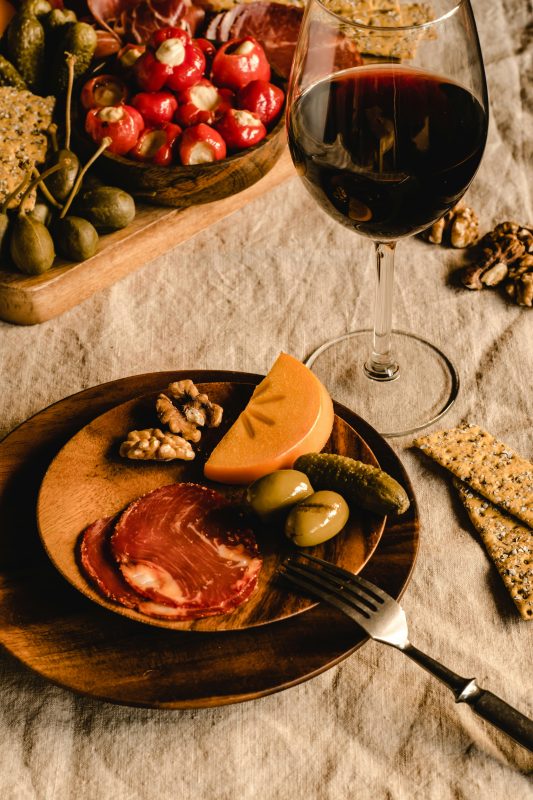
One of the most delightful discoveries in the world of wine is how beautifully food and wine can complement each other. Wine pairing is the art of matching a specific wine with food in a way that enhances both the dish and the wine’s taste.
Many wine tastings include small bites or snacks specifically chosen to highlight the characteristics of each wine. A crisp white wine might be paired with light seafood or soft cheese, while rich red wines often shine with hearty meats or aged cheeses. These combinations help you appreciate wines more deeply and understand how wine pairing works in practice.
Don’t be afraid to experiment with pairing at home, too. Open a bottle of wine with dinner and pay attention to how the food changes the wine’s taste — it’s one of the most enjoyable ways to build your wine knowledge without even trying.
Should You Take Tasting Notes?
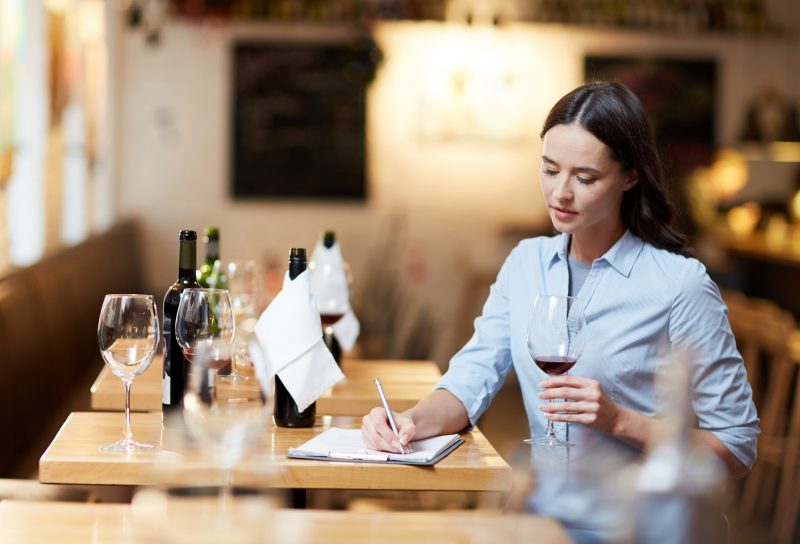
Taking tasting notes might sound like something only serious wine experts do — but trust us, even casual wine lovers benefit from jotting down a few impressions during a tasting session.
Your notes don’t need to be fancy. Write down the name of the wine, what aromas you noticed, how it tasted, and whether you liked it. Over time, these notes become a personal wine diary that helps you remember your favorite wine discoveries and identify patterns in what you enjoy.
Many people find that keeping tasting notes makes the wine-tasting experience more engaging and helps them feel more connected to each bottle they try. You’ll also find it much easier to recreate great wine experiences when you can look back and remember exactly what you savored.
How Can a Wine Tasting Tour Take Your Experience Further?
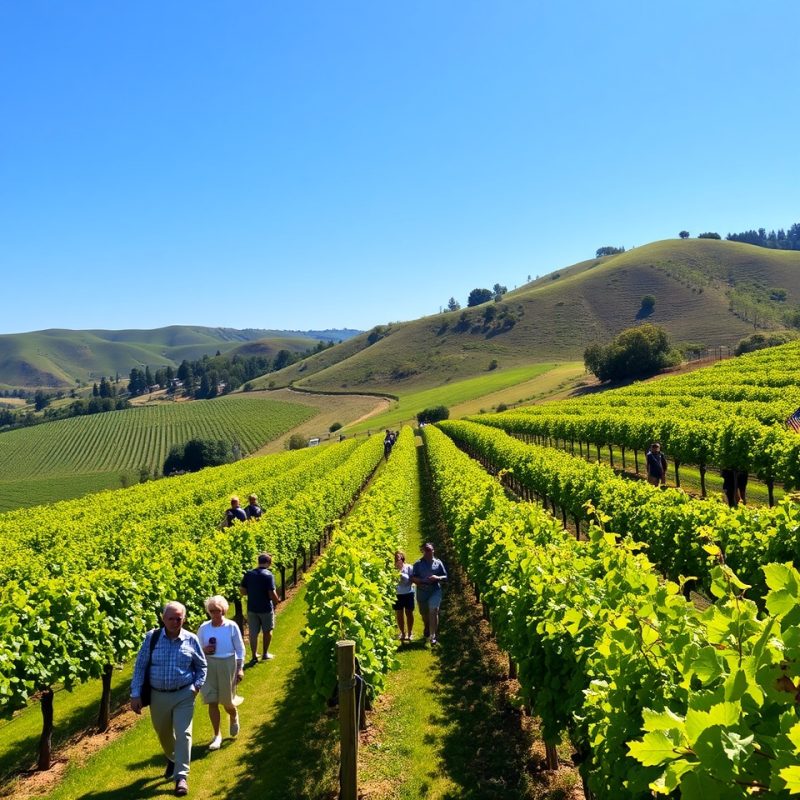
Once you’ve attended a few local tastings and feel comfortable with the basics, consider taking your love of wine to the next level with a wine tasting tour. Visiting wine country and exploring multiple wineries in a single trip is one of the most memorable and educational experiences any wine lover can have.
On a wine tour, you’ll get to see the vineyards where the grapes are grown, learn about the winemaking process firsthand, and taste specific wines that are often exclusive to that winery. A knowledgeable wine specialist will guide you through each tasting session, sharing stories about the wine, the land, and the people behind each bottle.
Whether you explore a famous wine region or discover a hidden gem closer to home, a wine tasting adventure like this deepens your appreciation of the wine in a way that no book or article ever quite can.
How Do Beginners Prepare for Their First Tasting?
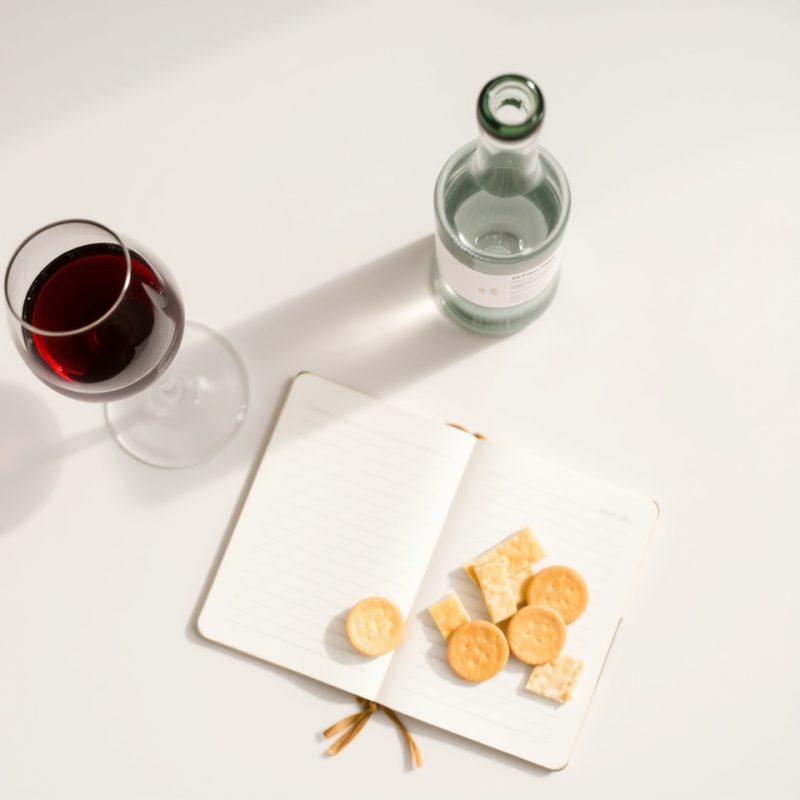
If you want to prepare for a wine tasting and make the most of your first tasting, a little preparation goes a long way. Here are a few simple tips to help you feel confident and ready:
Avoid wearing strong perfume or cologne — strong scents can interfere with your ability to detect the delicate aroma of the wine. Eat a light meal beforehand so you’re not tasting on an empty stomach. Bring a small notebook for tasting notes, and most importantly, don’t hesitate to ask questions. The host or wine specialist is there to help you, and questions about the wines are always welcome and encouraged.
Remember that wine tasting is truly about curiosity and enjoyment above all else. Even the most accomplished wine experts never stop learning, and every tasting experience is a chance to discover something new.
The Most Important Things to Remember
– Wine tasting is relaxed, social, and welcoming — perfect for beginners and casual wine lovers alike.
– Always observe the wine in the glass first — color and clarity tell a story before you even sip.
– Swirling wine oxygenates the wine and releases its full aroma — don’t skip this step.
– Take your time with each sip and let the wine move across your palate before you swallow.
– Your palate is unique — trust your own taste experience and don’t compare yourself to others.
– Food and wine pairing adds a whole new dimension to appreciating wine.
– Keep tasting notes to track your favorites and build your wine knowledge over time.
– A wine tasting tour in wine country is one of the best ways to deepen your love of wine.
– Don’t hesitate to ask questions — every tasting session is a learning opportunity.
– Most of all — enjoy every sip of your tasting adventure and have fun exploring the wonderful world of wine!
There you have it — a guide to your first wine tasting experience. Now go out there and enjoy every drop! 🍷